
Contents
The Magic Hour
It was 5:15 AM in Singapore’s Botanic Gardens, and I was grumpy. Jet-lagged, disoriented, wondering why I’d agreed to meet my friend Chen for “something special” at an hour that felt distinctly ungodly.
As someone used to rolling out of bed and immediately reaching for my phone, the idea of intentional morning practices felt foreign, almost suspicious.
Then I rounded the corner near the lake and stopped in my tracks.
Dozens of people moved in synchronized slow motion—arms flowing like water, bodies turning with deliberate grace. Tai Chi practitioners, their white uniforms faintly luminous in the pre-dawn gray. Around them, the world was waking up: birds beginning to sing, the first touches of pink coloring the sky, dew still clinging to ferns like scattered diamonds.
Chen found me five minutes later, watching from the sidelines. “Join us,” she whispered, pulling me into the circle. “No experience needed. Just breathe.”
And so I did—awkwardly at first, then with something approaching surrender. Moving my body in ways that felt both foreign and strangely right. Breathing deeply for what might have been the first time in months.
By 6:30 AM, as the sun broke through the trees, I felt… different. Lighter. Clearer. As though the morning hadn’t just started—it had been consecrated.

The Dawn That Changes Everything
That morning in Singapore opened my eyes to something extraordinary: across Asia, millions of people begin each day not by reaching for their phones, but by reaching for something deeper. Rituals that transform ordinary mornings into sacred beginnings.
And here’s what fascinates me most: these aren’t just habits—they’re practices. Deliberate, intentional ways of aligning themselves with what matters before the day’s demands take over.
The Moving Meditations
In China’s parks, from Beijing to Shanghai to Chengdu, dawn belongs to movement. I’ve spent weeks seeking out these morning gatherings, and each one taught me something different.
In Beijing’s Temple of Heaven Park, I watched dozens of elders practicing qigong—their slow, deliberate movements coordinated with breath, gathering energy they called qi (life force). One woman, probably in her eighties, moved with such fluid grace that she seemed to defy age itself.
“We practice not for performance,” she explained in broken English, demonstrating a movement that looked like pushing against an invisible wall. “We practice for life. Morning practice is insurance for health.”
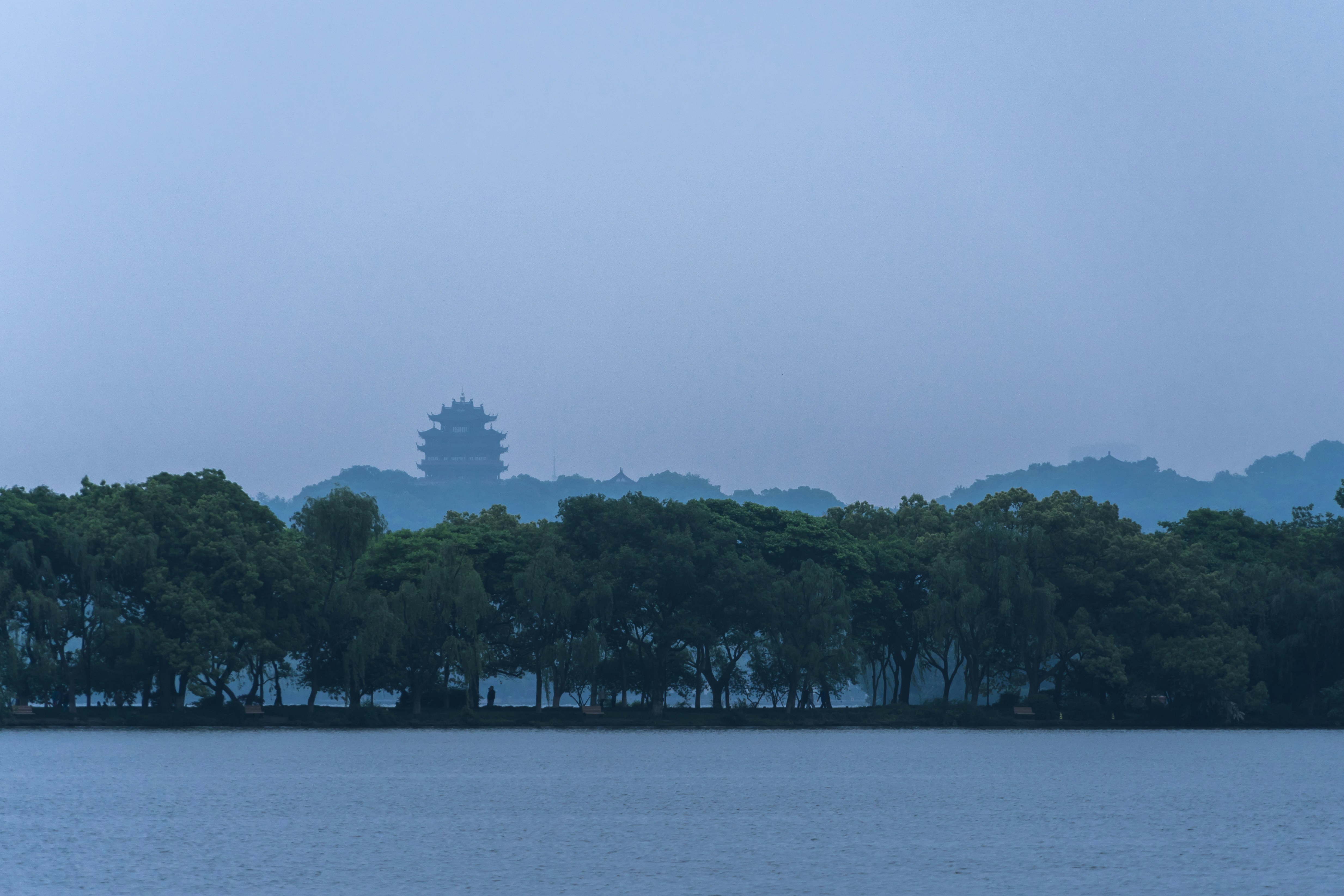
In Hong Kong’s Victoria Park, I stumbled upon a different scene: hundreds of people practicing everything from Tai Chi to ballroom dancing to sword forms. The atmosphere was jubilant—friends meeting to exercise together, laughter mixing with traditional music, the shared joy of starting the day in community.
“After morning practice with friends,” one participant told me, “problems at work feel smaller. Because I remember what’s real.”
The Sacred Offerings
In Bali, I experienced mornings that felt genuinely otherworldly.
I was staying in a homestay in Ubud when my host, Ketut, woke me at 5 AM. “Come,” he said simply. “Make offering.”
We walked to the family temple in our sarongs, the sky still dark except for stars. Ketut showed me how to weave palm fronds into tiny baskets, then fill them with flowers, rice, and incense. Canang sari—beautiful, small daily offerings that express gratitude to the Hindu gods.
“For what?” I asked, placing mine at the temple entrance.
“For everything,” he smiled. “Sun coming up. Breath in body. Family safe. Every morning is gift. We say thank you before we ask for anything.”
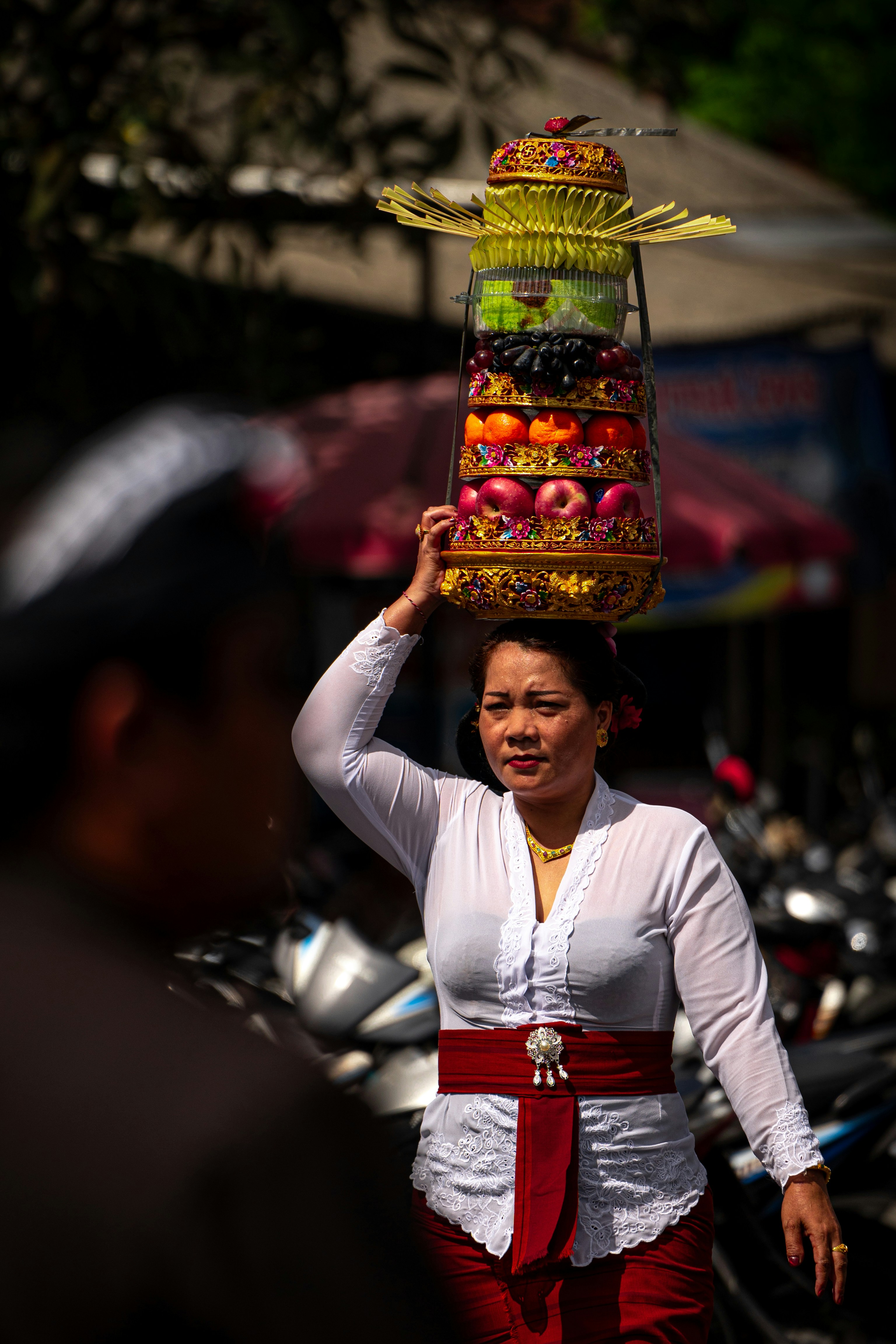
That morning, as the sun rose over the temple and the scent of incense mixed with frangipani, I understood something profound: gratitude isn’t an afterthought in Balinese culture. It’s the foundation upon which each day is built.
The Mindful Beginnings
In Japan, I discovered a quieter but equally powerful morning practice: zazen (seated meditation in Zen Buddhism).
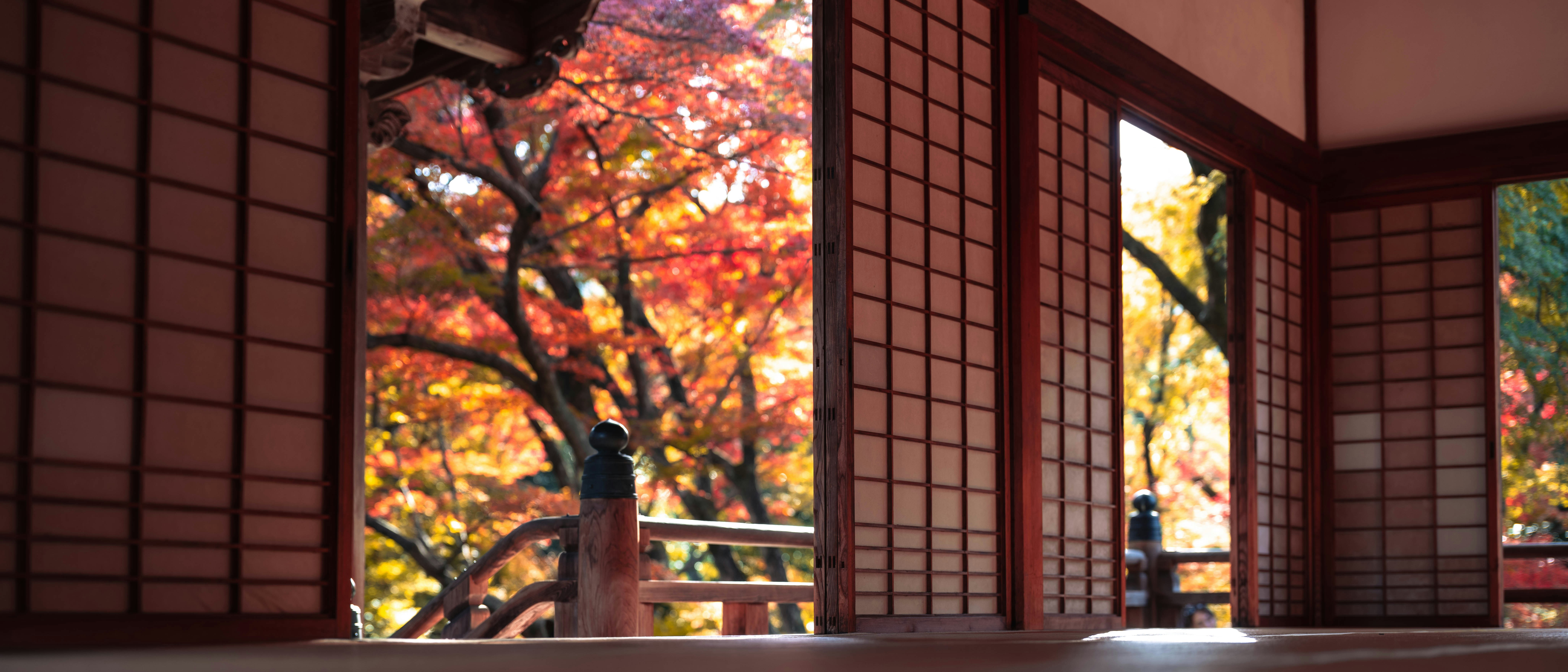
At a Buddhist temple in Kyoto, I participated in dawn meditation—waking at 4:30 AM, walking to the zendo (meditation hall) in darkness, sitting in silence for an hour as the temple slowly lightened. No instructions. No guidance. Just sitting, breathing, noticing thoughts arise and pass like clouds.
The first session was excruciating. My legs ached. My mind raced. I wanted to bail after ten minutes.
But by day three, something shifted. The space between thoughts grew wider. The stillness became less about forcing anything and more about allowing everything.
“Meditation is not about stopping thoughts,” the head monk told me later in broken English. “About seeing them. Like watching traffic from bridge. You don’t chase every car. You just watch.”
This wisdom resonates deeply with how artists across Asia approach seeing beauty—not by forcing it, but by allowing it to emerge through presence and attention.
That simple perspective—observation without attachment—felt revolutionary.
What These Rituals Teach Us
After experiencing these diverse morning practices across Asia, I noticed they all shared something in common: they’re not about productivity or achievement. They’re about connection.
Connection to body (through movement). Connection to spirit (through prayer). Connection to peace (through stillness). Connection to community (through practicing together).
In a world that treats mornings as something to race through—a checklist before the “real day” begins—these rituals remind us that how we start matters. That the quality of our beginning ripples through everything that follows.
Creating Your Own Morning Ritual
You don’t need to move to Asia or wake at 4 AM to create meaningful morning practice. Here’s what these traditions teach us:
1. Start With Intention, Not Your Phone
Before checking email or social media, take five minutes. Just five. Breathe. Stretch. Sit in silence. Let your mind settle before inviting the world in.
2. Move Your Body
It doesn’t have to be Tai Chi or qigong. Yoga, walking, stretching—any deliberate movement connects you to your physical self before mental demands take over.
3. Express Gratitude
The Balinese make offerings. You could keep a gratitude journal, say thank you for three things, or simply pause and appreciate being alive for another day.
4. Find Community
Exercise with a friend. Join a morning class. Even a daily text to someone you care about creates connection that changes how you feel.
5. Consistency Over Intensity
Five minutes every morning beats an hour once a week. These practices work because they’re daily—small but sustained.
The Gift of Beginning Again
What I love most about morning rituals is how they embody something profound: every single day, we get to start again.
Yesterday’s mistakes? Gone. Tomorrow’s worries? Not here yet. This moment—this fresh, uncluttered morning—is ours.
The Tai Chi practitioners in Singapore’s parks. The Balinese women placing offerings at temple shrines. The Japanese monks sitting in predawn silence. They’re not just going through motions. They’re deliberately, consciously choosing how to begin.
And that choice? It’s available to all of us.
The Last Word
I left Singapore with more than memories of that predawn Tai Chi session—I left with a practice. Every morning now, before my phone, before coffee, before the mental checklist begins, I take five minutes. Just five. Breathing, moving, expressing gratitude.
Some days it feels effortless. Some days it feels like work. But every day, it creates space—for intention, for peace, for beginning on my own terms.
The world will always demand our attention. Morning rituals are how we remember that we get to choose how we offer it.
So tomorrow, when you wake, try this: before reaching for anything else, reach for stillness instead. Even for a moment.
Notice what changes.
Do you have a morning ritual that transforms your days? I’d love to hear about the practices that help you begin again—whether inherited from tradition or created from scratch.
Share this story


