
Contents
The Temple That Whispers
I never expected to find myself holding my breath so completely.
It was dawn at Ta Prohm in Cambodia, that magnificent temple complex where nature and stone have engaged in a centuries-long embrace. The morning mist still clung to the ancient corridors like a secret refusing to be told. As I stepped through a crumbling doorway, something shifted in the air around me—thick, heavy with presence. The kind of presence that makes you instinctively lower your voice, as if you’ve walked into someone else’s prayer.
Have you ever felt that? That sudden, overwhelming sense that you’re standing somewhere sacred?
Where Gods Once Walked
Asia is dotted with these forgotten temples—spiritual landmarks that have somehow survived wars, weather, and the relentless march of time. But what fascinates me most isn’t their age. It’s how they feel alive.
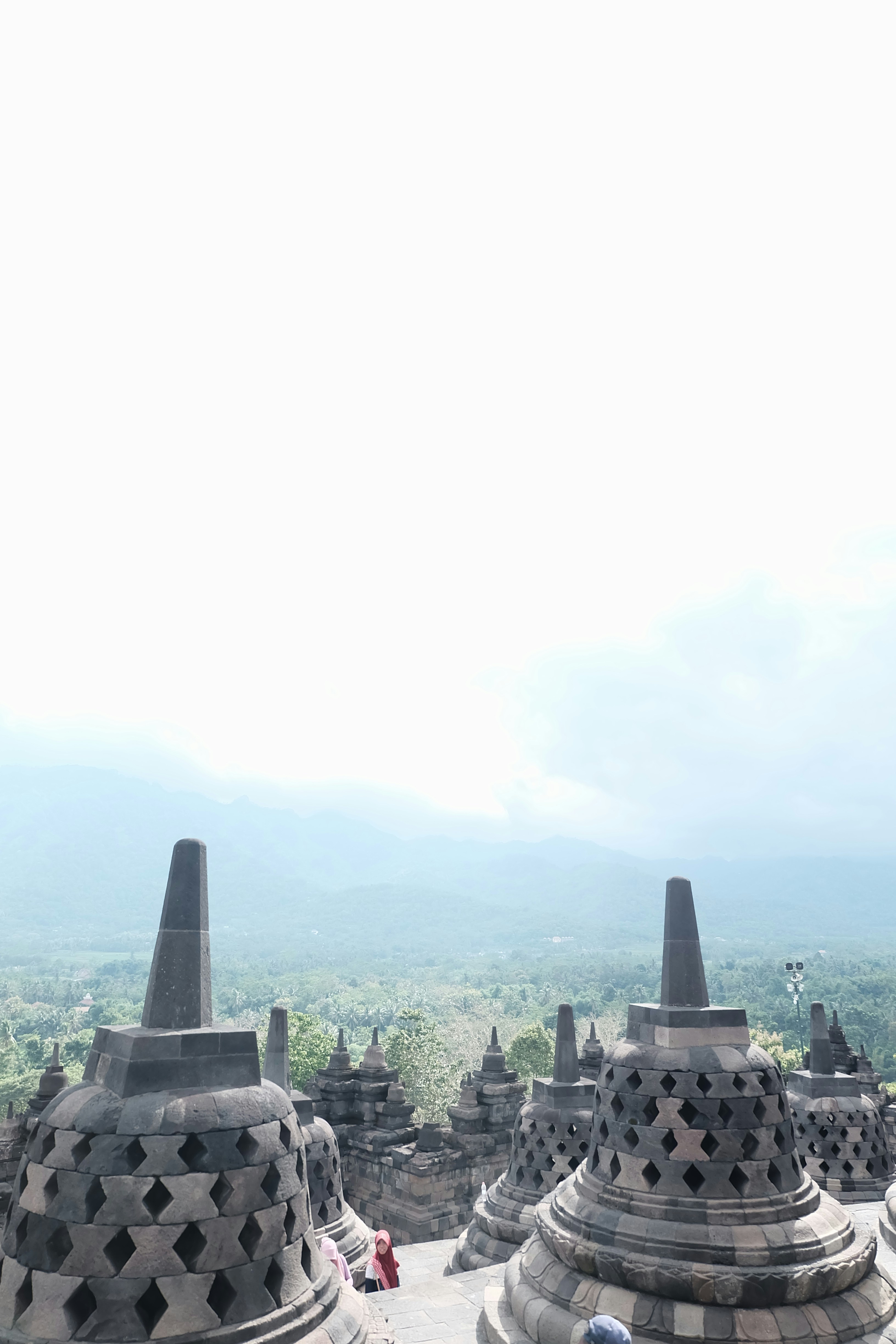
Consider Borobudur in Indonesia, rising from the Javanese mist like a mandala made manifest. I remember climbing its terraces at sunrise, watching the shadow of the volcano stretch across the landscape. Each level represents a stage of enlightenment—and as you ascend, something shifts internally. By the time you reach the stupas at the summit, you’re not just seeing a view. You’re seeing the world differently.
Or the temples of Bagan in Myanmar, where thousands of ancient structures scatter across the plains like prayers made permanent. I rented an e-bike there once and spent three days getting wonderfully, hopelessly lost. Every temple I ducked into told a different story—Buddha statues wrapped in maroon robes, monks chanting in corners filled with dust motes dancing in shafts of light.
The Ones Tourists Forget
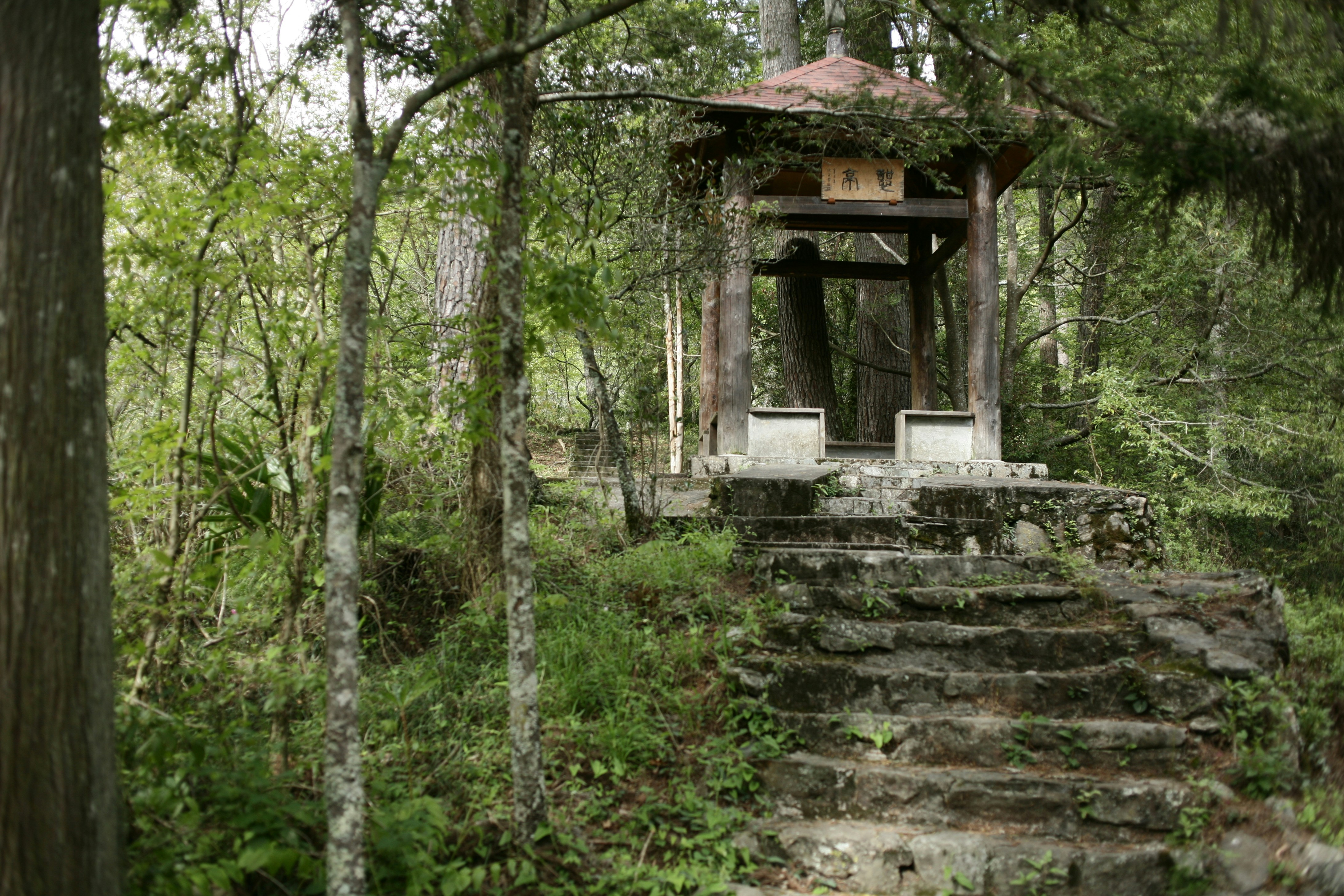
But here’s what I really want to share with you—those temples that don’t make it into guidebooks. The ones where you might be the only visitor for days.
In Northern Thailand, I discovered Wat Phra That Doi Suthep not for its golden chedi (though it’s magnificent), but for the forest trail leading to it. Monks in saffron robes walking silently. The scent of incense and rain. And at the top, overlooking Chiang Mai’s patchwork quilt of lights, I understood something: these weren’t just built to house gods. They were built to help us find something divine within ourselves.
In Kyoto’s eastern hills, I stumbled upon Konkai-Komyoji-ji entirely by accident. No crowds. No ticket booths. Just an elderly caretaker who smiled and waved me toward a rock garden so simple, so profound, that I sat there for two hours just watching the patterns in the gravel.
What These Spaces Teach Us
I keep thinking about why these places affect us so deeply. Maybe it’s the silence—they’ve witnessed centuries of human joy and sorrow, and they hold it all without judgment. Maybe it’s the craftsmanship—stone carved by hands that believed their work mattered for eternity.
Or maybe it’s simpler. Maybe in our frantic, notification-pinged, always-connected lives, we’re desperate for spaces where time moves differently.
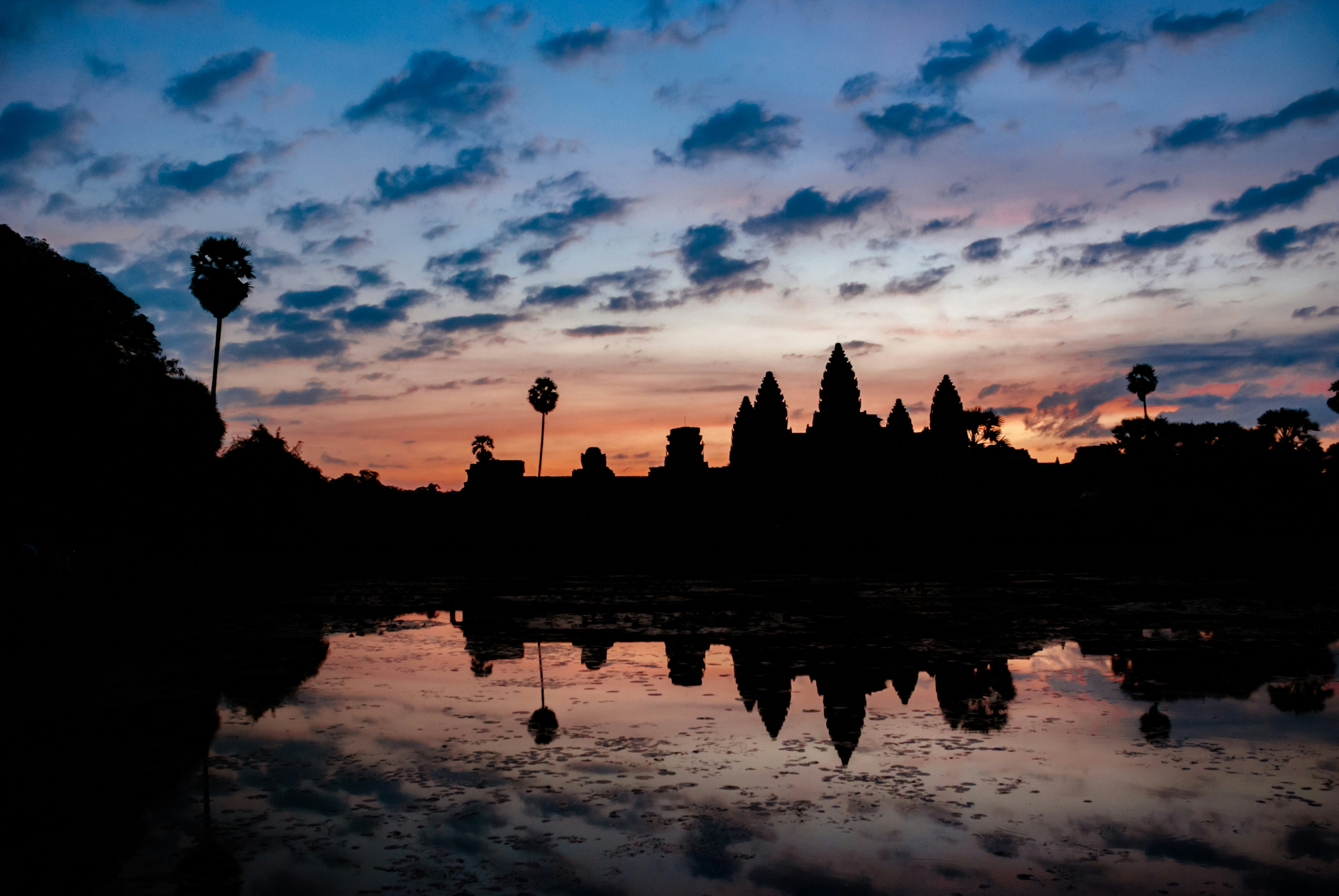
At Angkor Wat one evening, I watched the sun paint the western face in colors so vivid they felt impossible. Around me, hundreds of tourists held up phones, capturing the moment. But I noticed something else—an elderly Cambodian couple sitting on a worn stone block, not taking pictures, just watching. The woman rested her head on her husband’s shoulder. They’d probably seen this sunset a thousand times. And yet they watched like it was the first.
That’s what these temples offer us. Not photo opportunities. Not Instagram moments. But a chance to remember what it feels like to simply be.
Your Turn to Discover
If you find yourself drawn to these sacred spaces, here’s my advice: go early. Go when the mist still clings to the ground. Go when the only sounds are your own footsteps and perhaps distant chanting.
And bring curiosity. Not the kind that rushes from one site to another, ticking boxes. But the kind that lingers. That notices how the light falls through a stone latticework window. That wonders about the hands that carved each intricate bas-relief. That feels grateful these places still exist, still breathing, still waiting.
These temples have survived empires, wars, and the slow erosion of centuries. They’re still here, holding space for anyone willing to slow down, breathe deeper, and listen.
What will you hear when you finally stand still?
Have you visited a temple that transformed you? I’d love to hear your story. The most beautiful discoveries often come from sharing what we’ve found.
Share this story


